Console Showdown: Which Gaming Platform Actually Has Your Back When You Want to Cheat
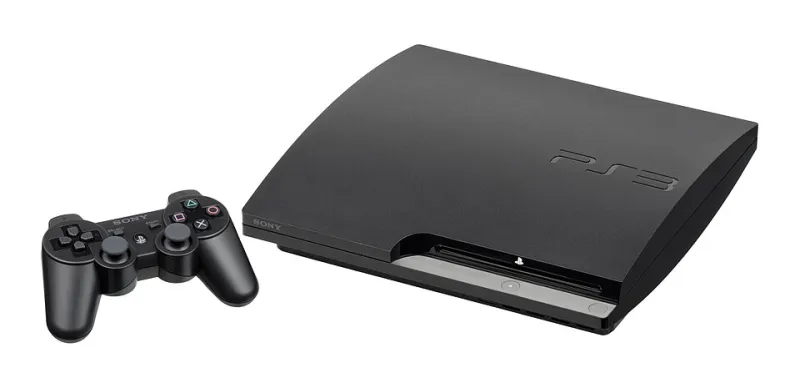
Photo: Evan-Amos, Public domain, via Wikimedia Commons
Let's be real for a second. Sometimes you just want to skip the grind. Maybe you've hit a wall in a game that's stopped being fun, or you want to experience a story without the difficulty curve getting in the way, or — hey — you just want to spawn a tank in the middle of a city because it's hilarious. Whatever your reason, you deserve a platform that doesn't judge you for it.
The problem is, not every console in 2024 treats cheat codes, mods, and accessibility modifiers with the same level of respect. Some platforms practically roll out the red carpet for players who want to bend the rules. Others act like using a cheat code is some kind of crime against gaming. Here's where each major platform stands — and what it means for how you actually play.
PC: The Undisputed King of Doing Whatever You Want
There's no real debate here. If maximum flexibility is your priority, PC gaming is in a league of its own. The combination of native mod support, console commands, Cheat Engine, and a modding community that has been running for decades makes PC the most cheat-friendly platform on the market by a significant margin.
Games like The Elder Scrolls V: Skyrim and Fallout 4 on PC have mod libraries with tens of thousands of entries — including everything from god mode toggles to complete gameplay overhauls. The Grand Theft Auto series on PC has a thriving cheat and trainer ecosystem that console players simply don't have access to. Even games that don't officially support cheats often get trainer software from community developers within weeks of launch.
Emulation is another massive factor here. Running older games through emulators like RetroArch or Dolphin gives players access to built-in cheat databases, save states, and speed controls that make revisiting classic titles from the NES era all the way through the GameCube generation a completely different experience. For cheat code historians and retro enthusiasts, PC emulation is irreplaceable.
The one real downside? Online multiplayer. Most PC games with active online communities have anti-cheat software (Easy Anti-Cheat, BattlEye, etc.) that aggressively monitors for modifications. Stick to single-player and you're golden. Take cheats online and you're asking for a ban.
Cheat Friendliness Rating: 9.5/10
Xbox and Game Pass: The Sleeper Pick for Cheat Enthusiasts
Xbox doesn't get enough credit in this conversation. Microsoft's approach to player flexibility has quietly become one of the most generous in the console space, largely thanks to Game Pass and the Xbox ecosystem's integration with PC.
Game Pass Ultimate gives subscribers access to hundreds of titles, and a meaningful chunk of them support built-in cheats or difficulty modifiers. Microsoft's own Halo series has long included skull modifiers that function essentially as toggles for difficulty and gameplay tweaks. Minecraft on Xbox has full creative mode and command support. Several Game Pass titles include what Microsoft has started calling "accessibility features" — which, in practice, often overlap significantly with what we'd traditionally call cheat options.
The Xbox Play Anywhere program and the blurring of lines between Xbox console and Windows PC gaming also means that some mods available on PC carry over or have console-adjacent equivalents. It's not perfect parity, but it's closer than Sony offers.
Where Xbox falls short is in third-party game support. The platform doesn't have a centralized mod hub the way PC does, and developers who want to lock down their games on console can do so pretty effectively. But within Microsoft's own first-party library, the philosophy leans toward player empowerment.
Cheat Friendliness Rating: 7/10
PlayStation 5: Gorgeous Games, Tighter Leash
Sony makes some of the best exclusive games in the industry right now — nobody's arguing otherwise. But when it comes to cheat codes and player-controlled modifications, PlayStation has historically been the most restrictive major console, and 2024 hasn't changed that much.
The PS5 has no native mod support for the vast majority of titles. Sony's platform policies make it genuinely difficult for developers to ship mod tools on PlayStation even when they want to. Skyrim on PS5, for example, has a dramatically smaller mod library compared to its PC counterpart, and many popular PC mods are simply unavailable due to platform restrictions around external assets.
That said, Sony isn't completely inflexible. The PS5's built-in Game Help feature — which provides contextual hints and video guides from within the system interface — is a legitimate quality-of-life win for players who are stuck. Some first-party titles include accessibility options that soften difficulty in meaningful ways. God of War: Ragnarök shipped with an impressive suite of accessibility settings that effectively let players customize the challenge level significantly.
The bigger issue is that Sony's approach feels reactive rather than proactive. They're accommodating accessibility when pressed, but they're not champions of the "play your way" philosophy the way Microsoft has started positioning itself.
Cheat Friendliness Rating: 5.5/10
Nintendo Switch: Nostalgia Points, Modern Limitations
Nintendo occupies a fascinating and frustrating position in this conversation. On one hand, Nintendo's back catalog is the most cheat-code-rich legacy in gaming history. The NES, SNES, and N64 eras were the golden age of cheat codes, and Nintendo published many of the most iconic titles from that period. The Konami Code literally became a cultural touchstone partly because of Contra on NES.
On the other hand, Nintendo in 2024 is one of the most aggressively protective companies in gaming when it comes to how players interact with their software. Nintendo Switch Online's classic game library does include some built-in rewind and save state features — which are genuinely useful and cheat-adjacent — but official cheat code support in modern Nintendo titles is almost nonexistent.
The homebrew community has developed Switch modification tools, but using them risks bricking your console and permanently banning your Nintendo account from online services. For most players, that's not a trade-off worth making.
Nintendo's first-party games do tend to include thoughtful difficulty accommodations — Super Mario Bros. Wonder had multiple accessibility options, and Tears of the Kingdom gave players unprecedented freedom in how they approached challenges — but these feel like design philosophies rather than cheat systems.
Cheat Friendliness Rating: 5/10
The Bigger Picture: Why This Debate Actually Matters
The platform you choose shapes not just what games you play, but how much agency you have over your own experience. As games get longer, more complex, and in some cases more punishing, the ability to customize difficulty and access cheat options isn't just a novelty — it's a genuine accessibility and quality-of-life concern.
The gaming industry is slowly coming around to this idea. More developers are shipping games with built-in assist modes and modifiers, recognizing that a player using an invincibility toggle is still a player experiencing and enjoying their game. Alienating that player with a locked-down platform helps nobody.
For players who prioritize flexibility above all else, PC remains the clear answer. If you're console-first, Xbox's direction under Microsoft is more encouraging than Sony's or Nintendo's. But the most important takeaway is this: before you buy a game or commit to a platform, check whether that game supports the kind of experience you actually want to have. Your time is valuable, and your enjoyment is the whole point.