From Konami Codes to Dead Ends: How Modern Gaming Killed the Cheat Code Era
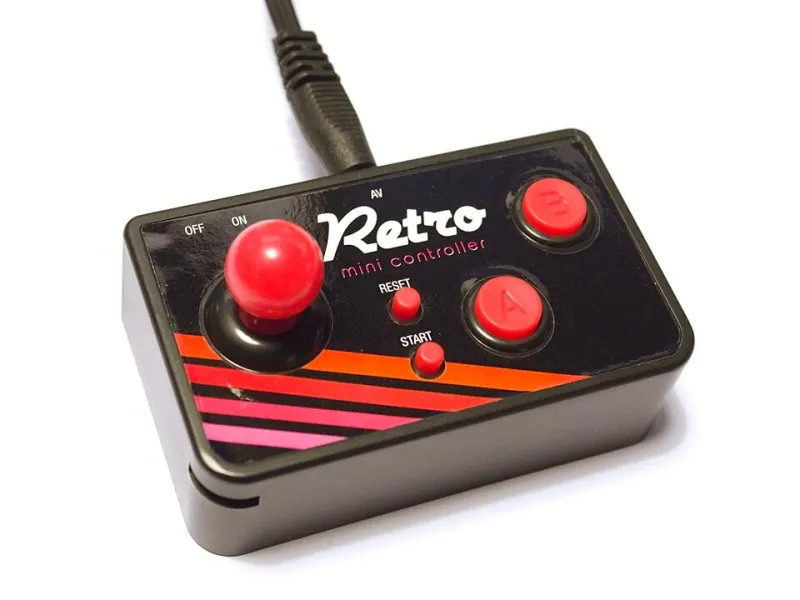
Photo: Multicherry, CC BY-SA 4.0, via Wikimedia Commons
There was a time when cracking open a gaming magazine and finding a page of cheat codes felt like discovering buried treasure. You'd scribble them on a sticky note, tape it to your TV stand, and spend a Saturday afternoon going absolutely wild in GTA: San Andreas or spawning tanks in Halo. It was pure, consequence-free fun. Fast forward to today, and that experience is practically a relic. So what happened? And more importantly, what does it mean for you as a player?
The Golden Age Was Real — and It Was Glorious
Let's set the scene. From the late '80s through the mid-2000s, cheat codes were basically a feature, not a bug. Developers baked them in deliberately. The legendary Konami Code — Up, Up, Down, Down, Left, Right, Left, Right, B, A — gave players 30 lives in Contra and became one of the most recognized button sequences in pop culture history. Doom let you toggle god mode with a keyboard shortcut. The Sims handed you infinite cash if you just knew where to type.
These weren't oversights. Studios included cheats to help playtesters move through games quickly, and somewhere along the line, they decided to leave those backdoors open for the public. It was a gift. A handshake between developers and players that said, hey, this is your game, play it how you want.
That handshake? It's mostly been revoked.
Three Reasons Cheat Codes Went Extinct
1. Online Multiplayer Changed Everything
The biggest killer of the classic cheat code isn't corporate greed or lazy developers — it's the internet. The moment games went online, cheat codes became a liability. Imagine dropping into a Call of Duty lobby where half the players had infinite health because they punched in a button combo. Nobody's having fun in that scenario — except maybe the cheaters.
To protect competitive integrity, studios had to lock down their games hard. Cheat codes that once lived quietly in single-player modes got scrubbed out entirely, partly because separating online and offline systems cleanly is more complicated than it sounds. It was easier to just eliminate them altogether.
2. Anti-Cheat Software Got Aggressive
With real money on the line in esports and ranked modes, publishers started deploying serious anti-cheat systems — things like Riot's Vanguard or Easy Anti-Cheat, which runs at the kernel level of your PC. These tools are scanning for unauthorized memory manipulation, suspicious inputs, and third-party software injections. The same technical footprint that a classic cheat code might leave behind now triggers red flags.
For single-player games that still want to include cheats, developers have to go out of their way to build a separate, clearly labeled system — and many simply don't bother. The engineering cost isn't worth it when the marketing team is focused on battle passes and seasonal content.
3. Live Service Games Don't Want You to Skip the Grind
Here's where things get a little uncomfortable. In the era of live service gaming — think Destiny 2, Fortnite, Diablo IV — the grind is the product. Spending 40 hours unlocking a gun skin or leveling up a battle pass isn't a side effect of the game design; it's the entire business model. A cheat code that hands you max-level gear overnight would effectively hand you something the publisher is trying to sell.
When progression is monetized, giving players shortcuts for free is leaving money on the table. It's a cynical reality, but it's the reality we're living in.
What We Actually Lost
Beyond the fun factor, the death of cheat codes represents a real shift in player autonomy. Cheats were an accessibility tool before anyone was calling them that. A kid who wasn't skilled enough to beat a boss could punch in an invincibility code and still experience the rest of the game. A parent with limited gaming time could skip to the good parts. A player replaying a game for the fifth time could turn off the training wheels and just mess around.
That freedom — the ability to engage with a game on your own terms — has quietly eroded. And while difficulty sliders and assist modes have filled some of that gap, they're not quite the same thing as typing HESOYAM into San Andreas and watching your health and cash refill instantly.
The Holdouts: Games That Still Embrace the Cheat Code
Not every studio has abandoned the tradition. A few bright spots remain:
- The GTA series still lets you input phone numbers or button combos for cheats in GTA V's story mode, keeping the spirit alive even if Rockstar locks down GTA Online tight.
- Cyberpunk 2077 supports a robust console command system on PC, letting players spawn items, adjust stats, and generally go haywire.
- The Sims 4 maintains its legendary cheat console (Ctrl+Shift+C, never forget), because EA apparently understands that Sims players just want to build houses without worrying about money.
- Indie games like Hades and Stardew Valley often include debug modes or developer-enabled cheats because smaller studios tend to be more interested in player experience than monetization strategy.
These games aren't worse for including cheats. If anything, they're more beloved.
So Where Does That Leave You?
If you're playing a modern single-player game and want cheat-code-style flexibility, your best options are PC mods (which have exploded in quality and availability), trainer software for offline games, and community-discovered exploits that developers either can't or won't patch out.
For console players, the options are thinner, but not zero — and that's exactly why sites like CheatCodesWeb exist. We track what still works, what's been patched, and where the community has found creative workarounds.
The golden age of cheat codes may be behind us, but the spirit of playing games on your own terms? That's not going anywhere.