Retro Gaming, Emulators, and the Gray Zone: What You Actually Need to Know
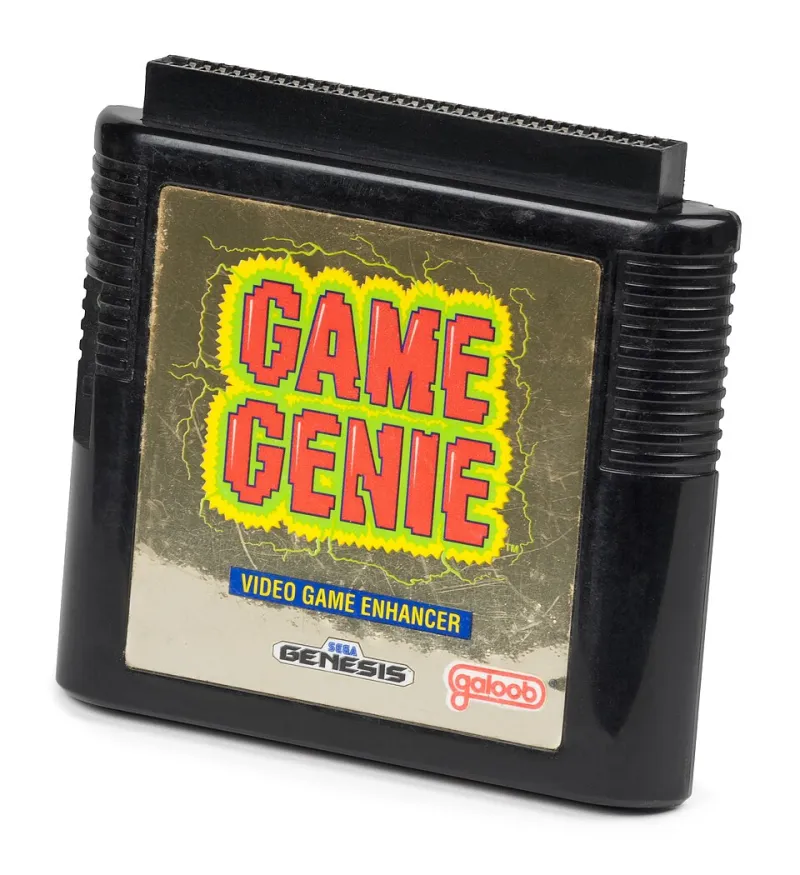
Photo: Evan-Amos, CC BY-SA 3.0, via Wikimedia Commons
Let's be honest: if you grew up gaming in the '80s, '90s, or early 2000s, there's a solid chance you've thought about revisiting some of those classics. Maybe it's a JRPG you never finished, a platformer your older sibling wouldn't let you touch, or a weird licensed game that somehow lives rent-free in your head thirty years later. The problem? A lot of those games just aren't available anymore — not on any storefront, not on any subscription service, not anywhere official.
That's where emulation enters the conversation. And with it comes a whole pile of questions that gaming forums have been arguing about since dial-up was a thing. So let's actually dig into it — calmly, without the drama.
What Emulation Even Is (Quick Version)
An emulator is software that mimics the hardware of an old console, letting your PC, phone, or modern device run games originally built for that hardware. Think of it like a translator — your computer doesn't natively speak "Super Nintendo," but an emulator teaches it the language.
The emulators themselves? Almost universally legal. Building software that replicates hardware functionality is protected under reverse-engineering principles established in U.S. case law — specifically the Sega v. Accolade and Sony v. Connectix cases from the '90s and early 2000s. Courts have consistently held that writing emulation software from scratch doesn't infringe copyright. So the tool itself isn't the issue.
The ROMs — the actual game files — are where things get complicated.
The ROM Situation Is Genuinely Murky
Here's the part nobody fully agrees on. Downloading a ROM of a game you don't own is technically copyright infringement under U.S. law. The "I own the cartridge, so I can download the ROM" argument is a persistent myth. There's no legal provision that gives you automatic rights to a digital copy just because you own the physical version. That's the uncomfortable truth.
But — and this is a significant but — enforcement is almost nonexistent against individual users. The gaming industry's legal energy goes toward shutting down ROM hosting sites, not chasing down the people who download from them. That doesn't make it legal. It just means the practical risk to you as an individual is extremely low.
The more interesting ethical wrinkle is what happens with games that are genuinely out of print and commercially unavailable. A 2023 study by the Video Game History Foundation found that roughly 87% of classic games are out of print and inaccessible through any legitimate channel. When a publisher can't or won't sell you a product, the moral calculus around accessing it shifts — even if the legal calculus doesn't.
The Preservation Argument
This is where a lot of retro gamers feel genuinely justified, and honestly, it's hard to argue with them. Games are cultural artifacts. They document design philosophies, storytelling trends, technological limitations turned into creative constraints. Letting them disappear because they're not profitable enough to re-release feels like a loss for everyone.
Organizations like the Video Game History Foundation and the Internet Archive have been fighting for broader preservation rights under the DMCA, with some success. Libraries and museums can operate under different rules than individuals. But for the average gamer at home, those protections don't extend to personal use.
What the preservation argument does do is push back against the idea that emulation is inherently harmful. When a game has been off the market for two decades and the company that made it either no longer exists or has shown zero interest in re-releasing it, the harm to rights holders is theoretical at best.
Official Alternatives Worth Checking First
Before going the emulation route, it's worth doing a quick scan of what's actually available through official channels. The landscape has improved a lot in recent years:
- Nintendo Switch Online includes libraries of NES, SNES, Game Boy, Game Boy Advance, N64, and Sega Genesis games depending on your subscription tier.
- PlayStation Plus Premium offers a growing catalog of PS1, PS2, PSP, and PS3 classics.
- Xbox Game Pass has a backward compatibility library that covers thousands of Xbox and Xbox 360 titles.
- Steam regularly brings back older PC titles, and GOG specializes specifically in DRM-free classic games.
- The Internet Archive hosts a surprisingly large collection of legally preserved software you can run directly in your browser.
If the game you're looking for is available somewhere legitimate, that's the cleaner path — both legally and ethically. Support the publishers and developers who are actually making the effort to keep old games accessible.
Making Your Own Call
If you've checked everywhere and the game you want simply doesn't exist in any purchasable or subscribable form, you're the only one who can decide what you're comfortable with. Here's a reasonable framework for thinking it through:
Consider availability. Is this game genuinely inaccessible, or did you just not look hard enough? Do a thorough search before assuming.
Consider the rights holder. Is this a beloved indie title from a developer who's still active? Or a licensed sports game from 1997 whose publisher folded in 2003? Context matters — even if the law doesn't make that distinction.
Consider your purpose. Playing through a childhood favorite is different from distributing ROMs to others. Personal use sits in a very different moral space than redistribution.
Don't pretend it's legal when it's not. You can decide to do something while still being honest about what it is. The "I own the cartridge" rationalization doesn't hold up, and pretending otherwise doesn't help anyone.
The Emulation Experience Itself
On a purely practical note: emulators have gotten really good. Projects like RetroArch, PCSX2, RPCS3, and Dolphin offer features the original hardware never had — save states, upscaled graphics, rewind functions, controller remapping, and more. In some ways, you're getting a better experience than the original release.
That's part of what makes emulation so appealing beyond just access. You can play a notoriously brutal NES game with save states and actually finish it. You can run a PS2 classic at 4K resolution. You can finally experience that one game your parents never bought you — without the fuzzy CRT and the tangled controller cord.
CheatCodesWeb is all about helping you get the most out of your gaming time, whatever that looks like. Emulation, when approached thoughtfully, is part of that toolkit for a lot of players. Just go in with clear eyes about what you're doing, check the official options first, and make the call that sits right with you.
The games are out there. Play them your way.