Difficulty Settings Aren't Cheating — They're the Best Feature in Modern Gaming
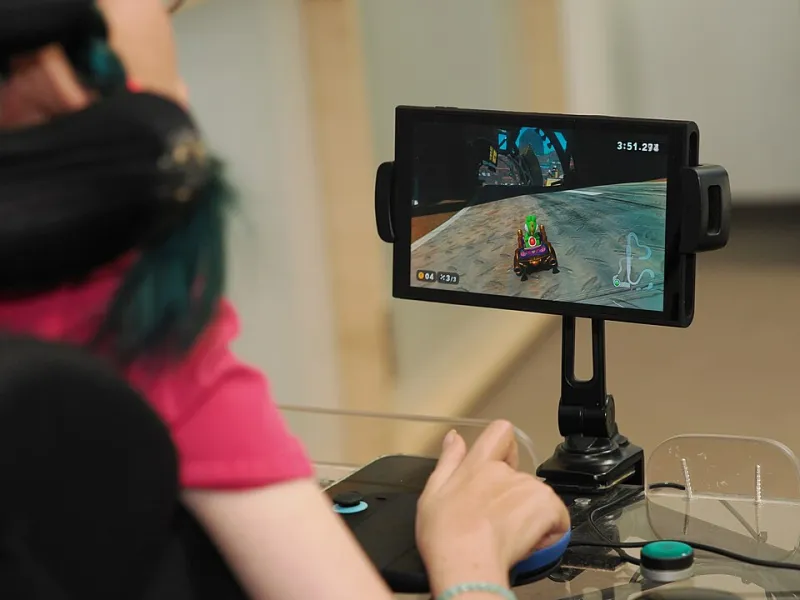
Photo: InclusiveGameLab, CC BY-SA 4.0, via Wikimedia Commons
Let's settle something right now: turning on an assist mode doesn't make you a lesser gamer. It makes you someone who wants to actually play and enjoy a game. And honestly? That's the whole point.
Over the last decade or so, the conversation around difficulty settings has shifted in a big way. What used to be a binary choice — easy or hard, take it or leave it — has evolved into something far more interesting. Today's games hand you a full dashboard of options to tune your experience, and that shift has quietly changed who gets to call themselves a gamer.
Where It All Started: The Old Binary World
Cast your mind back to the early days of home consoles. Difficulty in games was mostly a blunt instrument. You got Normal, Hard, and maybe Easy if the developer was feeling generous. There wasn't much room for nuance. If a game was designed for a certain skill level and you didn't meet it, you were just stuck. Tough luck.
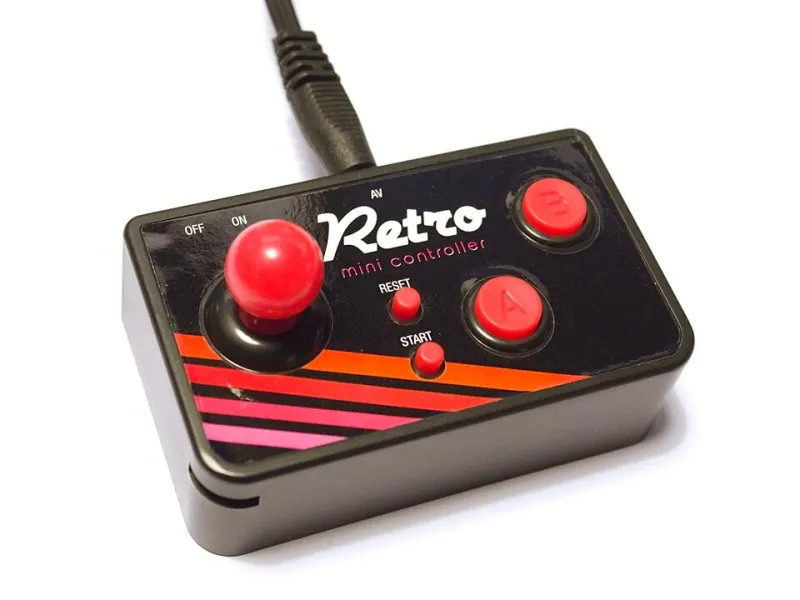
NES-era games were notoriously punishing by design — partly because arcade roots demanded quarters, and partly because shorter games needed artificial length. Dying over and over on Ninja Gaiden or Battletoads wasn't a design flaw; it was the product. The challenge was the game.
For a long time, that philosophy stuck around. Even into the PlayStation 2 and Xbox era, difficulty settings were mostly cosmetic — enemies with bigger health bars, fewer checkpoints, that kind of thing. The underlying assumption was that everyone who picked up a controller had roughly the same physical and cognitive starting point. Spoiler: they don't.
The Turning Point: Assist Modes Go Mainstream
Things started to shift noticeably around the mid-2010s. Developers began experimenting with more granular control over the player experience, and a few releases in particular changed the conversation permanently.
Celeste, the critically acclaimed 2018 platformer, might be the clearest example. The game is genuinely hard — precision platforming at its most demanding. But the developers at Maddy Thorson's studio built in an "Assist Mode" that lets players slow down the game speed, grant themselves invincibility, or add extra dashes. Crucially, the game never shames you for using it. There's no pop-up warning that you're taking the coward's way out. You just turn it on and keep playing.
That design philosophy was a statement. It said: the story and the experience belong to everyone who wants them, not just people with elite reflexes.
Around the same time, games like God of War (2018) started shipping with difficulty presets described in plain English rather than macho labels. Instead of "Easy," you got "Give Me a Story" — framing the choice around what kind of experience you wanted rather than implying you were admitting defeat.
What Modern Accessibility Actually Looks Like
Today's accessibility options go way beyond difficulty sliders. We're talking about full suites of features that address a huge range of player needs.
The Last of Us Part II set a new industry benchmark when it launched with over 60 accessibility settings. Players could adjust aim assist intensity, toggle high-contrast display modes, enable enhanced listen mode, change button remapping, and a whole lot more. The game was designed so that players with visual impairments, motor disabilities, or hearing loss could experience it fully.
Microsoft has been one of the loudest corporate voices pushing accessibility forward, developing the Xbox Adaptive Controller specifically for players with limited mobility. Their ongoing accessibility features in Xbox Game Pass titles reflect a genuine commitment rather than a PR gesture.
On the software side, studios like Insomniac (Marvel's Spider-Man series) and CD Projekt Red (Cyberpunk 2077's post-launch updates) have continued expanding their accessibility toolkits based on community feedback. These aren't afterthoughts — they're part of the core design conversation from day one at forward-thinking studios.
The Gatekeeping Problem (And Why It's Exhausting)
Here's where things get a little spicy. Despite all this progress, there's still a vocal segment of the gaming community that treats difficulty settings — especially assist modes — as a form of cheating. You've seen the forum posts. "If you use easy mode, you haven't really beaten the game." "Souls games shouldn't have an easy mode, it ruins the vision."
This attitude is worth examining, because it reveals something about how some players define mastery. If your sense of accomplishment depends on other people not having access to the same experience, that's not really about the game anymore. That's about identity and exclusivity.
The "developer vision" argument is particularly shaky. Developers themselves — the actual people making these games — are largely the ones advocating for broader accessibility. Hidetaka Miyazaki of FromSoftware is one of the few prominent holdouts on the "no easy mode" philosophy, and even he has said the intent is never to exclude players, just to maintain a specific design language. Meanwhile, dozens of other respected developers have gone on record saying that accessibility features don't dilute their vision — they expand who can experience it.
And let's be real: we've always had cheat codes. We've always had walkthroughs, guides, and YouTube tutorials. Nobody clutches pearls when someone looks up how to beat a boss. Assist modes are just a built-in, developer-sanctioned version of the same thing.
Redefining What It Means to Master a Game
Maybe the most interesting thing about this whole evolution is what it does to our definition of "mastering" a game.
For a long time, mastery meant clearing the hardest difficulty, finding every secret, doing it without dying. And look, that's still a legitimate and rewarding way to play. Nobody's taking that away from anyone.
But there's another kind of mastery that doesn't get talked about enough: engaging deeply with a game's story, understanding its systems, exploring every corner of its world. A player who uses Celeste's assist mode to finish the game and then spends hours reading about its themes and narrative isn't less of a gamer than someone who cleared it on the hardest setting without assists. They just had a different relationship with it.
CheatCodesWeb was built on the idea that there's no one right way to play a game. Cheat codes, walkthroughs, tips — they exist because gaming is supposed to be fun, and fun looks different for everyone. Difficulty settings and assist modes are just the most polished, most thoughtful version of that same philosophy.
The Bottom Line
Modern difficulty and accessibility options aren't a concession or a compromise. They're genuinely one of the best things to happen to gaming in the last twenty years. They've brought millions of new players into the hobby, allowed people with disabilities to experience games that would otherwise be completely off-limits, and quietly challenged some pretty outdated ideas about what gaming is supposed to look like.
Next time someone tells you that using an assist mode is cheating, feel free to send them this article. Or just ignore them and keep playing. Either works.