Built-In Assists, Zero Shame: Why Modern Games Are Finally Letting Everyone Play

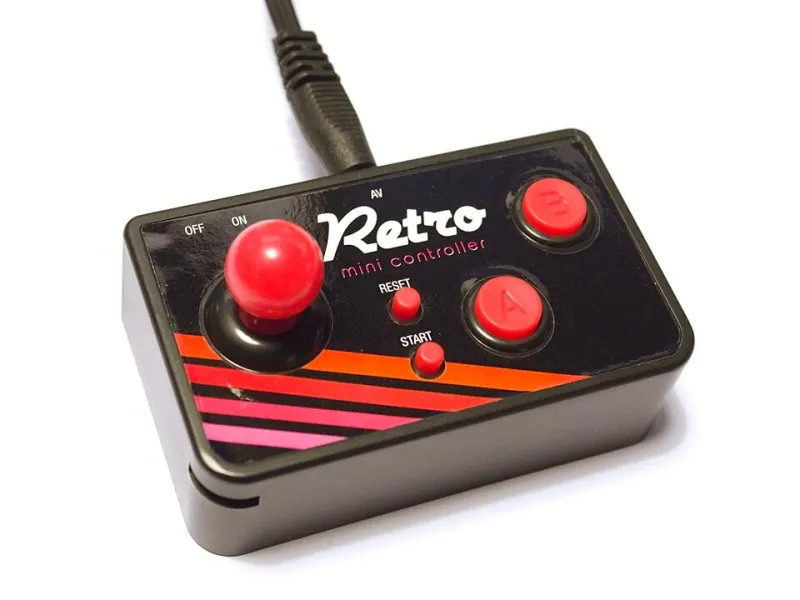
Photo: Muazzam08, CC0, via Wikimedia Commons
There's a version of gaming history where cheat codes were the great equalizer. Back in the day, if a level was destroying you, you punched in a code, got infinite lives, and kept moving. Nobody needed to know. It was just you, the game, and a dog-eared copy of Nintendo Power.
Fast forward to today, and something even bigger is happening — except this time, the developers themselves are building the assist features right into the game. No code required. No guilt attached. Just options, sitting there in the menu, waiting for you to use them.
This isn't cheating. It's design. And it's changing everything.
The Old Stigma Is Fading Fast
For a long time, asking for help in a game felt like admitting defeat. The gaming community — bless its heart — had a pretty rigid idea of what "playing correctly" looked like. Hard mode or bust. No guides. No assists. Struggle through it like everyone else did.
But that attitude was always built on a shaky foundation, because not everyone is "everyone else." A 45-year-old parent squeezing in 30 minutes before bed isn't the same player as a college student with eight hours free on a Saturday. A gamer with limited hand mobility isn't experiencing the same barriers as someone without. Pretending these differences don't exist never made gaming more pure — it just made it more exclusive.
Modern studios are finally taking that seriously, and the results are genuinely impressive.
What Good Accessibility Actually Looks Like
Let's talk specifics, because the devil is in the details here.
The Last of Us Part II is probably the most cited example, and for good reason. Naughty Dog shipped the game with over 60 accessibility options — things like high-contrast display modes for players with low vision, lock-on aiming assistance, adjustable traversal speed, and even the ability to skip combat encounters entirely. That last one is huge. It means someone who wants to experience the story but physically cannot execute the combat mechanics can still see the whole game through. That's not a lesser experience. That's just a different path to the same destination.
God of War: Ragnarök took a similar approach with its granular difficulty customization. Rather than offering four preset difficulty levels, Santa Monica Studio let players tune individual systems — enemy aggression, incoming damage, parry timing windows — independently. You can make the exploration feel epic and challenging while dialing back the boss fights to something more manageable. It's a build-your-own-difficulty system, and it works beautifully.
Then there's Elden Ring, which is an interesting case because FromSoftware famously resisted adding an easy mode. But the community — and eventually the developers through updates — found ways to work within that philosophy. Spirit Ashes, summonable NPC helpers, and the ability to over-level by just exploring more of the open world function as soft difficulty modifiers. You're never locked out of the experience just because a particular boss is wrecking you.
It's Not Just About Disability
Here's where the conversation gets broader and more interesting. Accessibility features don't only serve players with physical disabilities — though that alone would be reason enough to include them. They also serve:
- Time-strapped adults who love games but can't grind for hours
- Parents introducing kids to franchises they want to share
- Players recovering from injuries — a broken wrist or surgery can sideline someone temporarily
- Newcomers to a genre who want to learn the ropes without being punished every 30 seconds
When you frame it that way, the pool of people who benefit from these features is enormous. We're talking about a massive slice of the US gaming market — the 50+ million casual players who buy big titles but bounce off them when the difficulty curve becomes a wall.
Studios that ignore this aren't being principled. They're leaving money on the table while locking people out of experiences they'd genuinely love.
The Design Philosophy Shift
What's really exciting isn't any single feature — it's the underlying shift in how developers think about player agency.
For decades, difficulty was a gate. You either cleared it or you didn't. The game decided what you were capable of.
Now, more and more studios are treating difficulty as a dial. Something the player controls. Something that can be adjusted mid-session if needed, without judgment and without penalty.
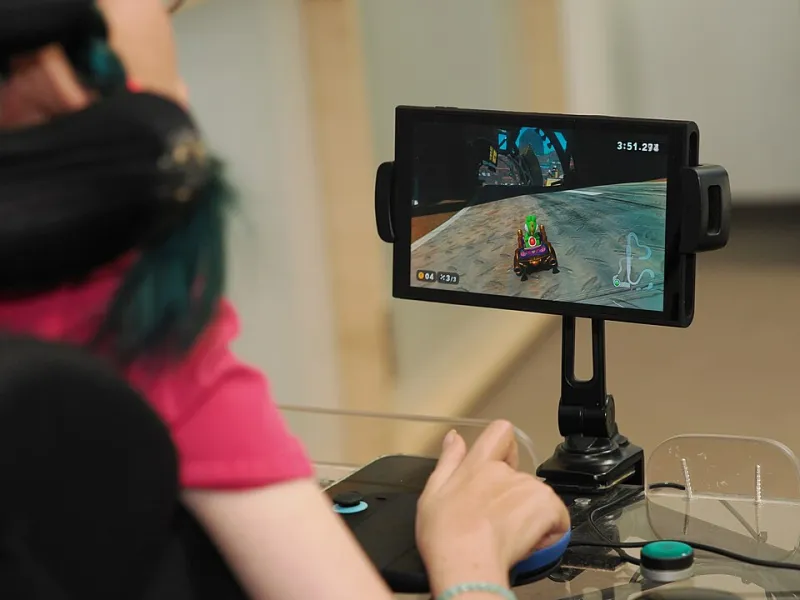
Xbox's Accessibility Features built into the console level — things like button remapping and adaptive controller support — pushed the industry toward thinking about this systemically rather than game-by-game. Microsoft even has a dedicated accessibility team that consults on first-party titles now. That's institutional commitment, not just a PR checkbox.
Xbox Game Pass titles have increasingly shipped with robust assist modes, partly because the subscription model means reaching the widest possible audience. When your business model rewards engagement over one-time purchases, making sure players can actually finish your game becomes a financial priority.
What This Means for You
If you've been bouncing off a game because the difficulty feels unfair, or because a specific mechanic just isn't clicking, dig into that settings menu before you give up. You might be surprised what's hiding in there.
Turn on aim assist. Adjust the enemy aggression slider. Enable the narrative mode. Use the summons. There is no leaderboard for your single-player save file. Nobody is grading your playthrough.
The whole point of a game is to have an experience — to see the story, feel the world, enjoy the moment. If a slider in a menu gets you there, that's not a compromise. That's the feature working exactly as intended.
Cheat codes used to be the secret handshake that let players unlock the parts of games they couldn't reach on their own. Built-in accessibility features are doing the same thing — just louder, prouder, and with the full backing of the developers who made the game.
About time, honestly.